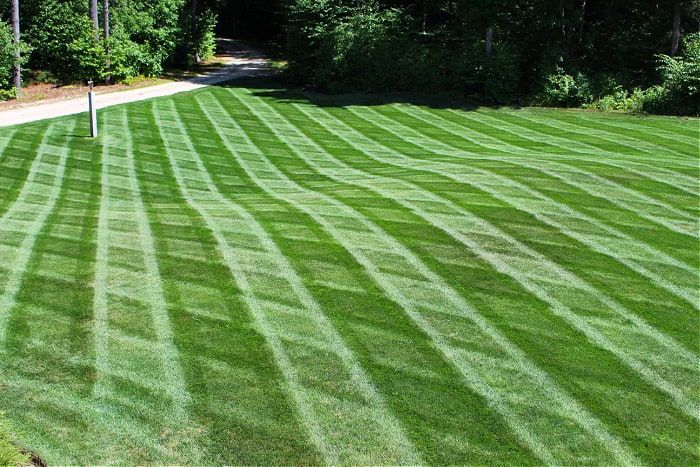
Aeration & Overseeding
Core aeration relieves soil compaction while overseeding fills in thin areas for a thicker, healthier lawn. The ultimate lawn renovation combo.
Take Back Your Lawn
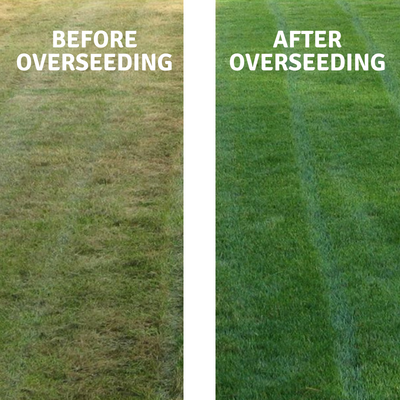
What's Included
Core Aeration
Removal of soil plugs to relieve compaction and improve air/water flow
Premium Grass Seed
High-quality seed blend matched to your lawn and climate
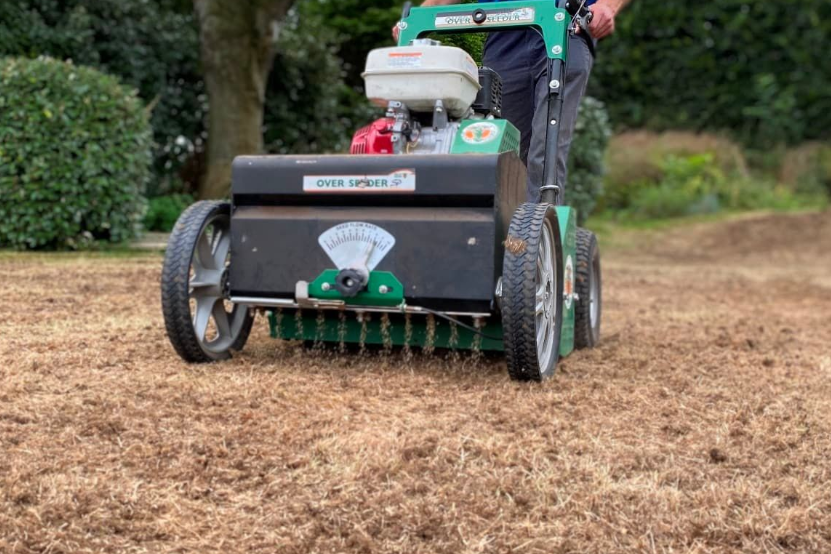
Overseeding Application
Even distribution of seed for maximum germination and coverage
Starter Fertilizer
Nutrient boost to get new grass off to a strong start
Why Core Aeration Works
Relieves
Compaction
Foot traffic, mowing, and weather compact soil over time. Compacted soil prevents roots from growing deep and blocks water/air penetration. Aeration creates channels that break up compaction.
Enhances Root Growth
Roots need oxygen to grow. Compacted soil starves roots of oxygen. Aeration delivers oxygen deep into the soil, stimulating root development and creating healthier, more drought-resistant grass.
Breaks Down Thatch
Thatch buildup creates a barrier between grass and soil. Aeration helps beneficial microbes break down thatch naturally by introducing oxygen and speeding decomposition.
Improves Water Infiltration
Water pools on compacted lawns instead of soaking in. Aeration holes allow water to reach root zones where it's needed, reducing runoff and making irrigation more effective.
Education Corner
Why Fall is Prime Time
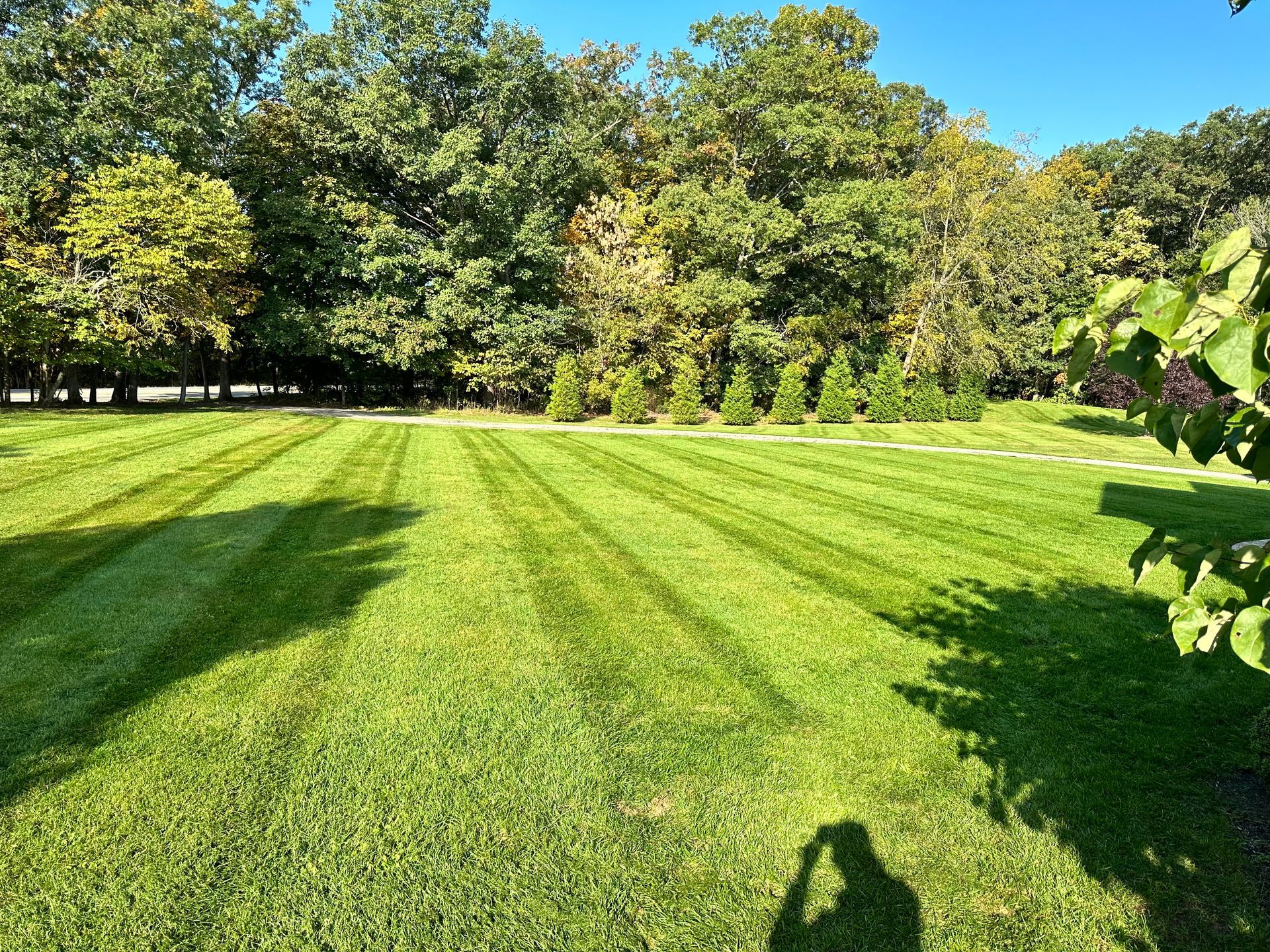
Fall (late August through October) is
THE BEST time to aerate and overseed in our region.
Perfect Growing Conditions
Cool-season grasses LOVE fall weather. Warm soil + cool air + natural rainfall = ideal germination conditions. Seed establishes quickly and develops deep roots before winter.
Less Weed Competition
Most weeds slow down in fall, giving new grass a chance to establish without competition. Spring seeding means battling crabgrass and other aggressive weeds.
Maximizes Next Year's Results
Grass seeded in fall develops strong roots over winter. Come spring, it's ready to explode with growth while spring-seeded grass is still getting established.
Timing with Your Program
Fall aeration/overseeding pairs perfectly with our final fertilization application (winterizer). The combination creates the ultimate fall lawn renovation.
Can you aerate in spring?
Yes, but results won't be as good. Spring works for aeration alone, but overseeding in spring means fighting weeds and heat stress. For best results, plan on fall.
What to Expect: Results Timeline
Week 1: The Wait
Soil plugs will be visible on your lawn. This is normal—they'll break down naturally. Keep the seeded area moist with daily light watering.
Weeks 2-3: Germination
New grass starts to sprout. You'll see thin green blades emerging. Continue regular watering to keep seedlings from drying out.
Weeks 4-8: Establishment
New grass fills in and matures. First mowing when grass reaches 4 inches (usually week 3-4). Reduce watering frequency, increase depth.
Next Spring: The Payoff
Your lawn greens up earlier and thicker than ever before. New grass is fully integrated and you'll see dramatically improved density.
Critical Success Factor
Consistent watering for the first 3 weeks is essential. Light watering 2-3 times daily until germination, then reduce frequency but water deeper.
The Difference
Premium Seeds
We use premium cool-season grass seed blends specifically chosen for our region's climate and conditions.
Turf-Type Tall Fescue
Deep roots, drought tolerance, and excellent disease resistance. The workhorse of our region.
Perennial Ryegrass
Fast germination, fine texture, and excellent wear tolerance. Perfect for high-traffic areas.
Kentucky Bluegrass
Self-repairing via rhizomes, beautiful dark green color, and excellent cold tolerance.
Why blends matter?
A mix of grass types provides built-in insurance. If one variety struggles with a particular disease or condition, the others fill in. You get the benefits of all three grass types.