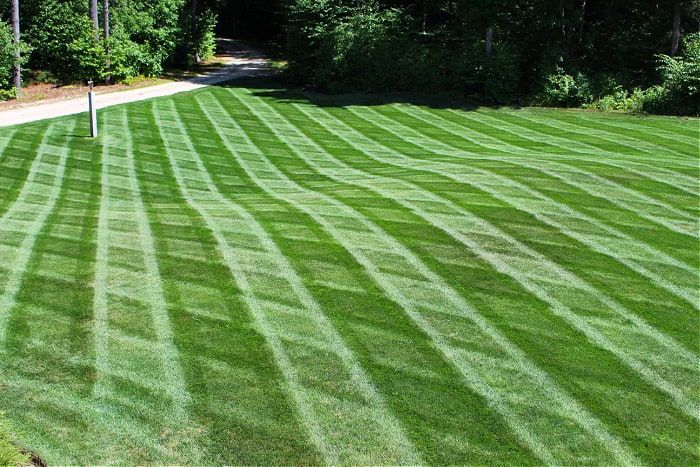
Weed Control
Comprehensive weed prevention and elimination using pre-emergent and post-emergent treatments targeted to your lawn's specific needs.
Year Round Beauty
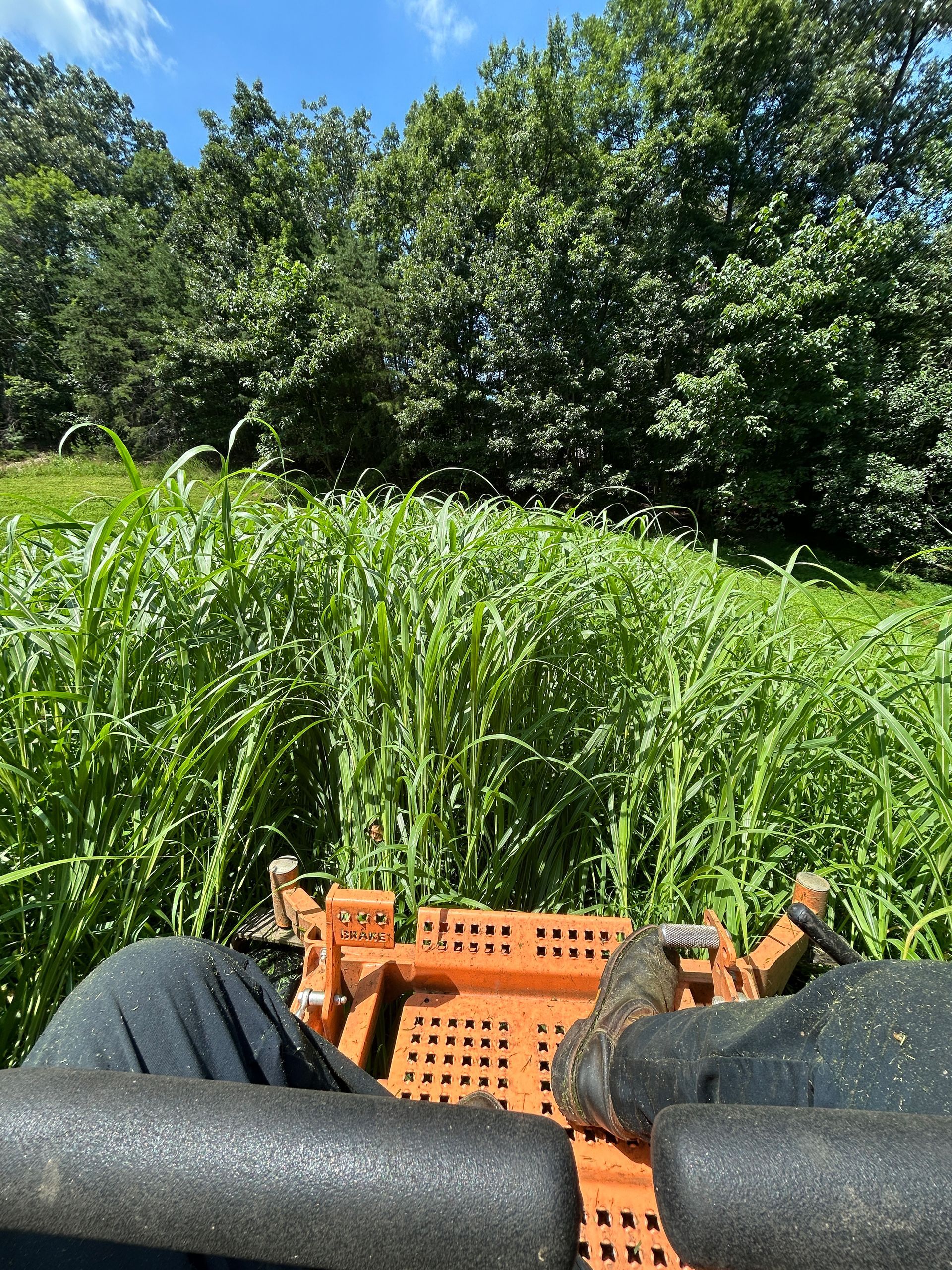
Our Approach
Pre-Emergent Applications
Prevent weeds before they germinate (crabgrass, annual weeds)
Post-Emergent Treatments
Target existing broadleaf weeds (dandelions, clover, chickweed)
Spot Treatments
Targeted applications for problem areas throughout the season
Integrated with Fertilization
Weed control is most effective when combined with proper nutrition
Common Weeds We Control
Crabgrass
Annual Grassy Weed
Treatment Strategy:
Pre-emergent in spring
Clover
Broadleaf Perennial
Treatment Strategy:
Selective herbicide
Dandelions
Broadleaf Perennial
Treatment Strategy:
Post-emergent herbicide
Chickweed
Broadleaf Annual
Treatment Strategy:
Pre & post-emergent
Education Corner
Pre vs. Post-Emergent
Pre-Emergent Herbicides
How It Works:
Creates a chemical barrier in the top layer of soil that prevents weed seeds from germinating. Think of it as invisible armor for your lawn.
Timing is EVERYTHING:
This fundamental principle of lawn care ensures your grass stays healthy and stress-free. Here's why it matters:
Must be applied before weed seeds germinate
For crabgrass: apply when soil temps reach 55°F (usually early-mid April)
Lasts 8-12 weeks, so timing is critical to effectiveness
Post-Emergent Herbicides
How It Works:
Targets weeds that are already growing. Absorbed through leaves and kills the entire plant, roots and all.
Best Practices:
Most effective when weeds are young and actively growing
Works on broadleaf weeds: dandelions, clover, chickweed, plantain
May require multiple applications for tough perennial weeds
The Bottom Line:
The best weed control uses BOTH strategies—pre-emergent to prevent weeds from germinating, and post-emergent to eliminate any that make it through. That's why our fertilization program includes both types applied at the right times.
Why Weeds Take Over (And How to Stop Them)
Thin Grass = Weed Invitation
Weeds thrive in bare spots and thin areas where grass can't compete.
The Solution:
Build dense, healthy turf through proper fertilization. Thick grass crowds out weeds naturally.
Poor Soil
Conditions
Weeds often tolerate poor soil better than grass. They thrive where grass struggles.
The Solution:
pH testing and soil amendment (lime if needed) creates conditions grass loves and weeds hate.
Irregular
Care
One-time treatments can't compete with weed seeds that remain viable in soil for years.
The Solution:
Year-round program with properly timed applications prevents new weeds and controls existing ones.
Wrong Mowing Height
Cutting too short weakens grass and allows sunlight to reach weed seeds in the soil.
The Solution:
Maintain proper height (3-3.5" for cool-season grasses) to shade out weeds and strengthen roots.