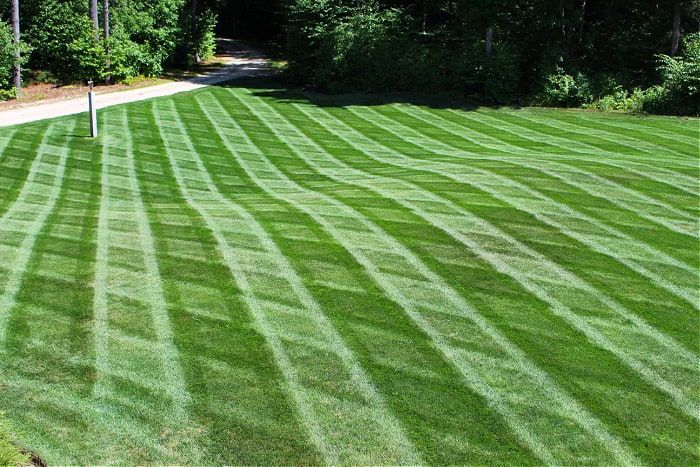
Mulching
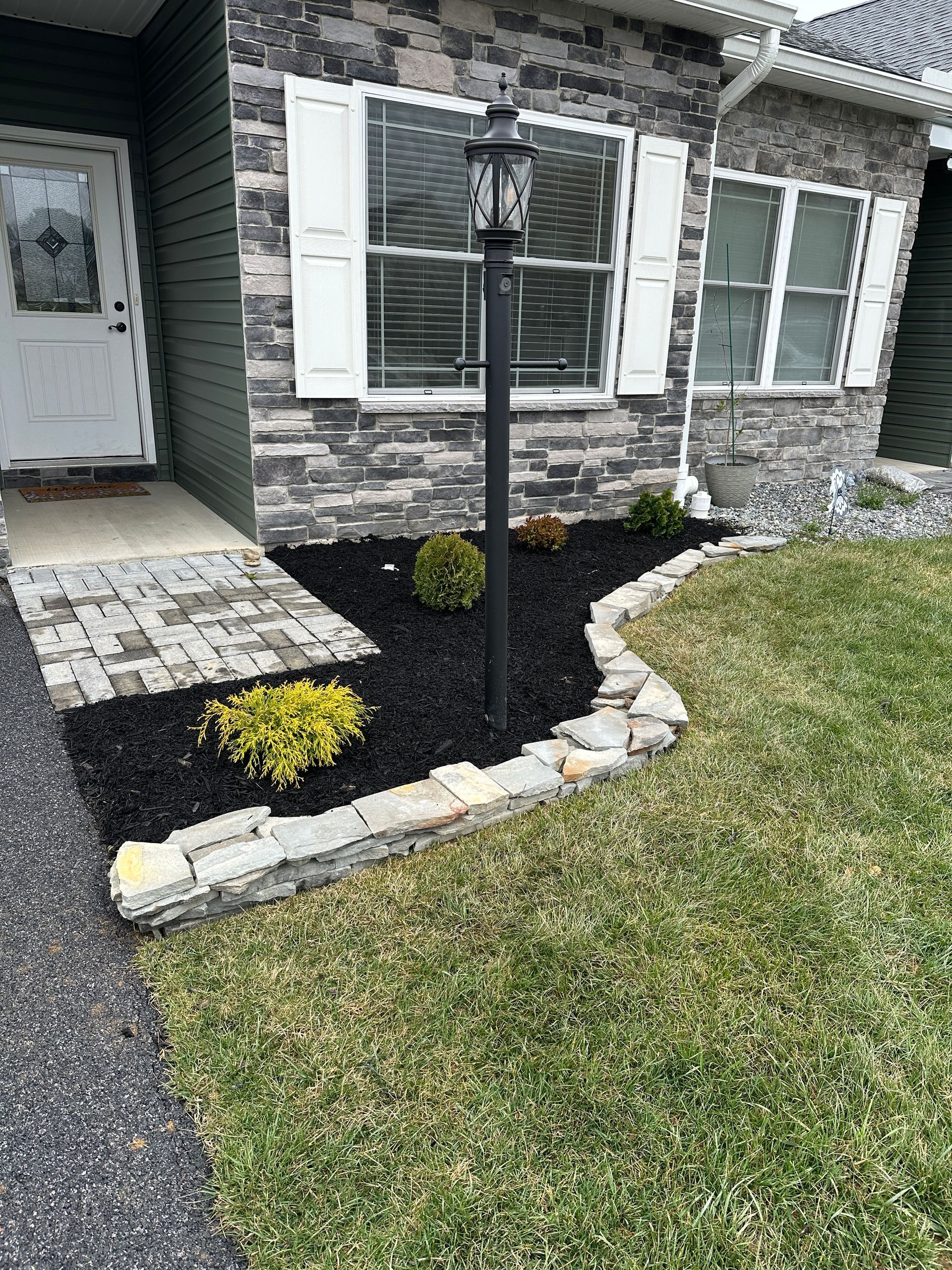
Professional mulch installation that beautifies landscaping beds, suppresses weeds, and retains soil moisture for healthier plants.
Year Round Beauty
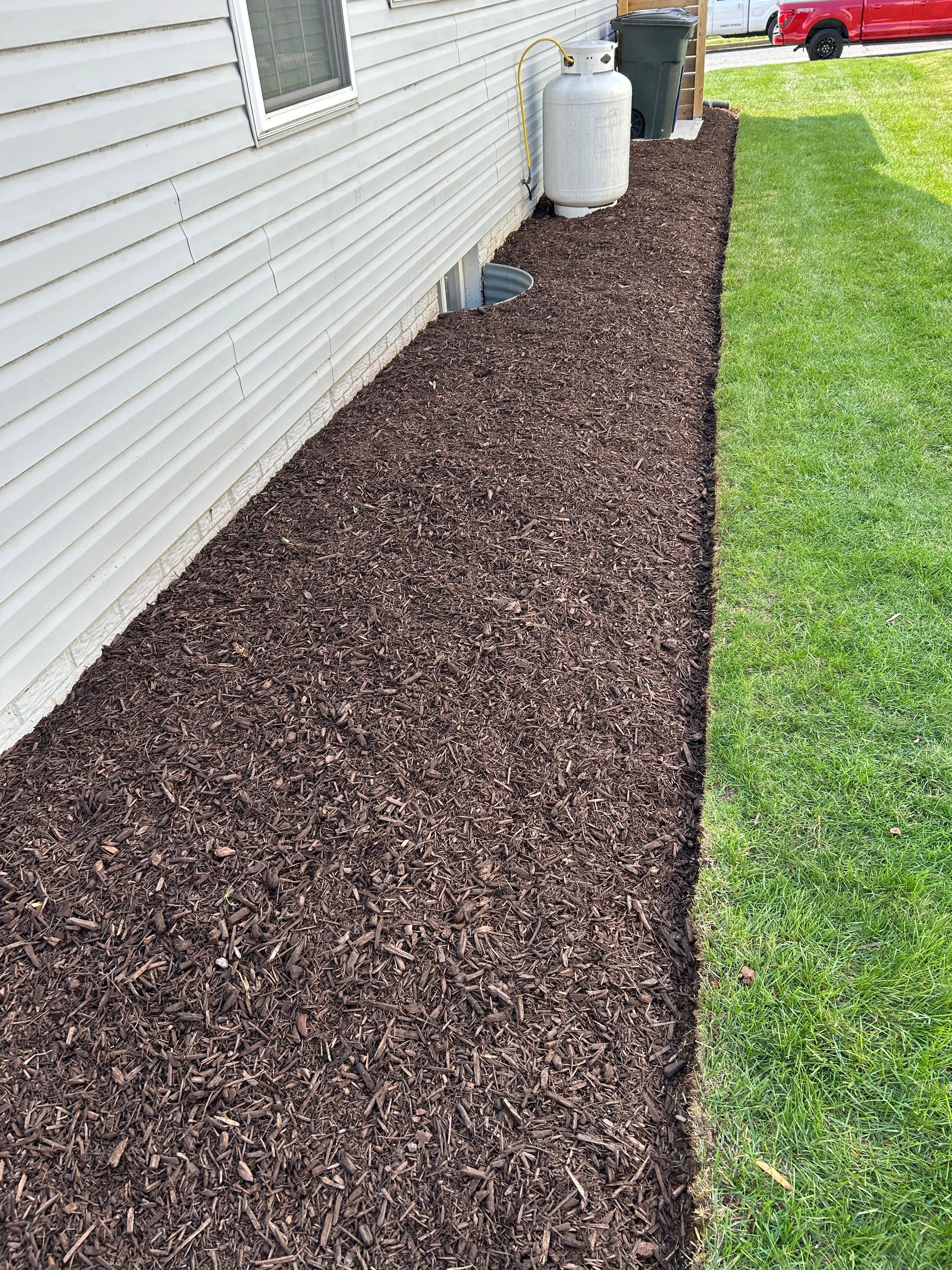

What's Included
Bed Preparation
Weed removal and bed edging before mulch installation
Premium Mulch
Quality hardwood or cedar mulch in your choice of color
Proper Depth
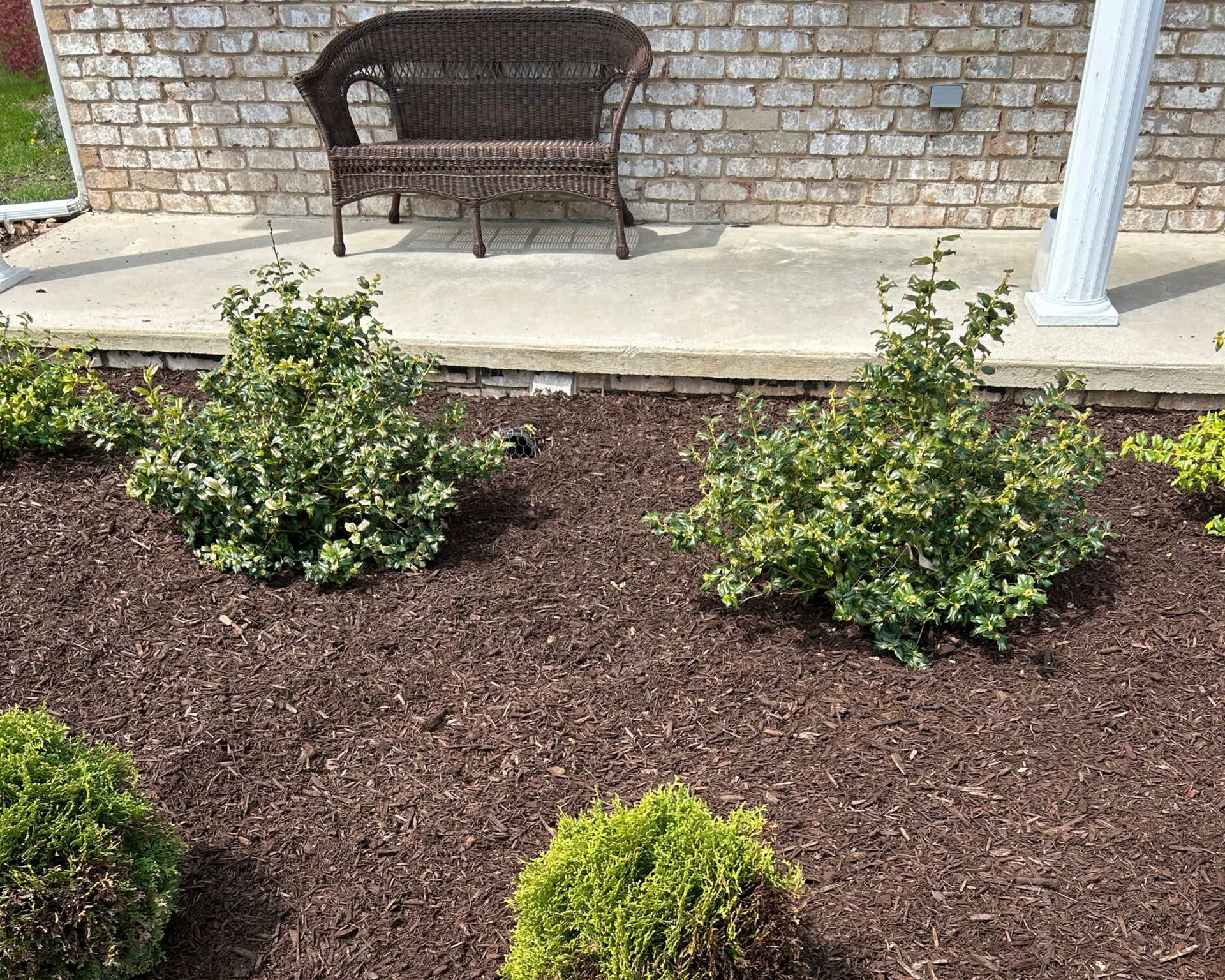
2-3 inches of mulch applied evenly throughout all beds
Clean Installation
Cleanup of walkways, driveways, and lawn areas
Mulch Options
Hardwood Mulch
Classic dark brown, long-lasting, decomposes slowly
Best For:
General landscaping, traditional look
Colored Mulch
Available in black, brown, or red with color that lasts
Best For:
Bold contrast, modern aesthetic
Cedar Mulch
Natural insect-repelling properties, pleasant aroma
Best For:
Play areas, natural pest control
Education Corner
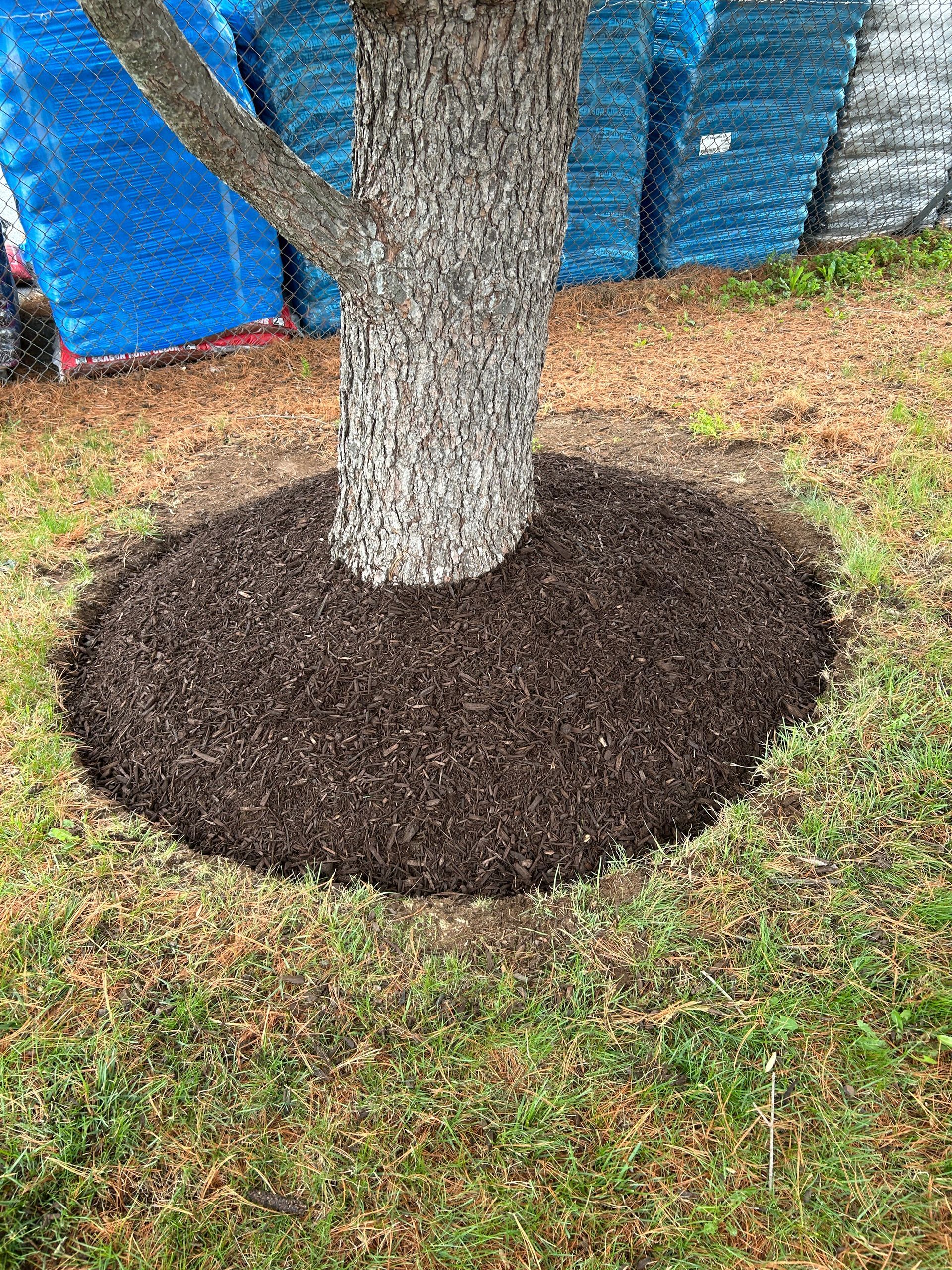
The Volcano Mulching Mistake
One of the most common (and damaging) mulching mistakes is "volcano mulching"—piling mulch high against tree trunks and plant stems.
Why It's Bad
Encourages Rot: Mulch against bark traps moisture and creates perfect conditions for decay and disease
Attracts Pests: Insects and rodents love to burrow in mulch piles against trees
Causes Girdling Roots: Roots may grow up into the mulch instead of out into soil, eventually strangling the tree
Hides Problems: Deep mulch masks the root flare where problems first appear
The Right Way to Mulch Around Trees:
Pull mulch 3-6 inches AWAY from trunk (create a "donut" not a "volcano")
Keep mulch depth to 2-3 inches maximum
Expose the root flare (where trunk widens at the base)
Extend mulch out to the drip line if possible for maximum benefit
We See It Everywhere:
Volcano mulching is so common that many people think it's correct. It's not—and it kills trees slowly over years. We'll do it right and explain why it matters.
Why Mulch Matters
Temperature Regulation
Mulch insulates soil, keeping it cooler in summer and warmer in fall. Plant roots experience less temperature stress and grow more consistently.
Weed Suppression
A 2-3 inch layer of mulch blocks sunlight from reaching weed seeds, preventing germination and dramatically reducing the weeds in your beds.
Moisture Retention
Mulch acts like a blanket over soil, reducing water evaporation by up to 70%. Your plants need less watering and handle drought stress better.
Soil Improvement
As organic mulch breaks down, it adds nutrients and organic matter to soil, improving structure and fertility naturally over time.
Erosion Prevention
Mulch protects soil from being washed away by rain and reduces soil compaction from heavy rainfall impact.
Curb Appeal
Fresh mulch gives beds a clean, finished look that dramatically improves your property's appearance and perceived value.
When to Mulch
Spring (Recommended)
Best timing for most properties.
Fresh mulch after spring cleanup gives beds a finished look right when everything starts growing.
Benefits:
Suppresses summer weeds before they start
Retains moisture through dry season
Looks great all year
Fall (Alternative)
Some properties benefit from fall mulching, especially if spring schedule fills up quickly.
Benefits:
Insulates plant roots for winter
Already fresh come spring
Often better availability and pricing
How Often to Refresh
Plan on refreshing mulch every 1-2 years. Some properties with large trees need annual touch-ups. We'll assess your specific needs and recommend a schedule.