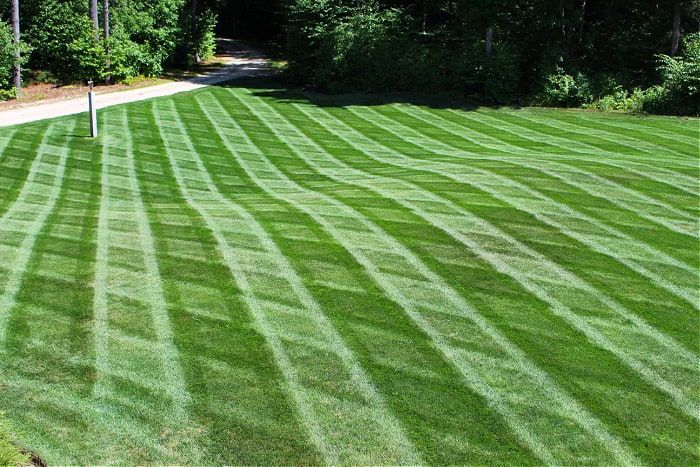
Land Prep & Property Services
Larger projects requiring equipment, expertise, and the work ethic to get it done right. From new lawn installation to property clearing and drainage correction.
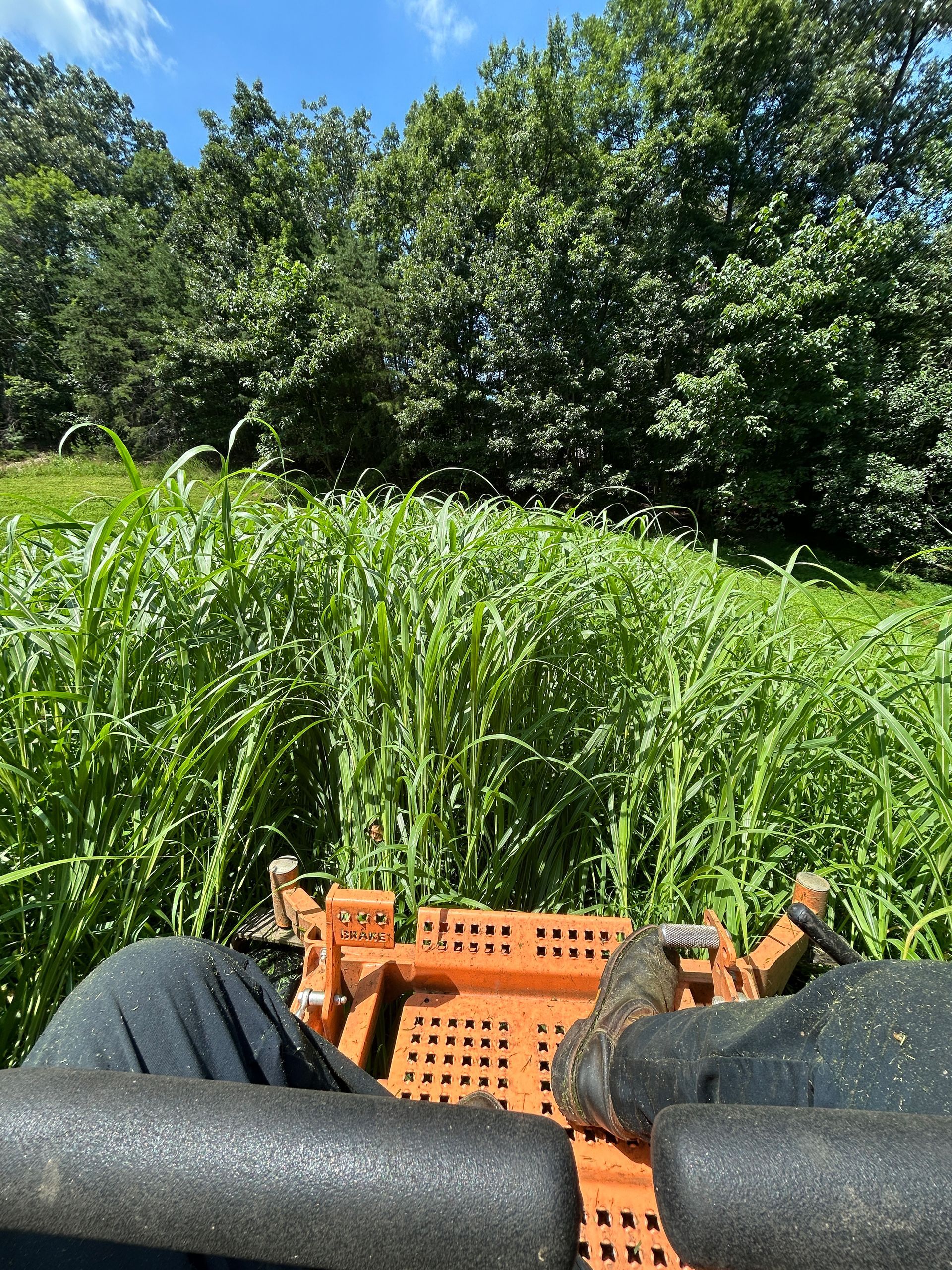
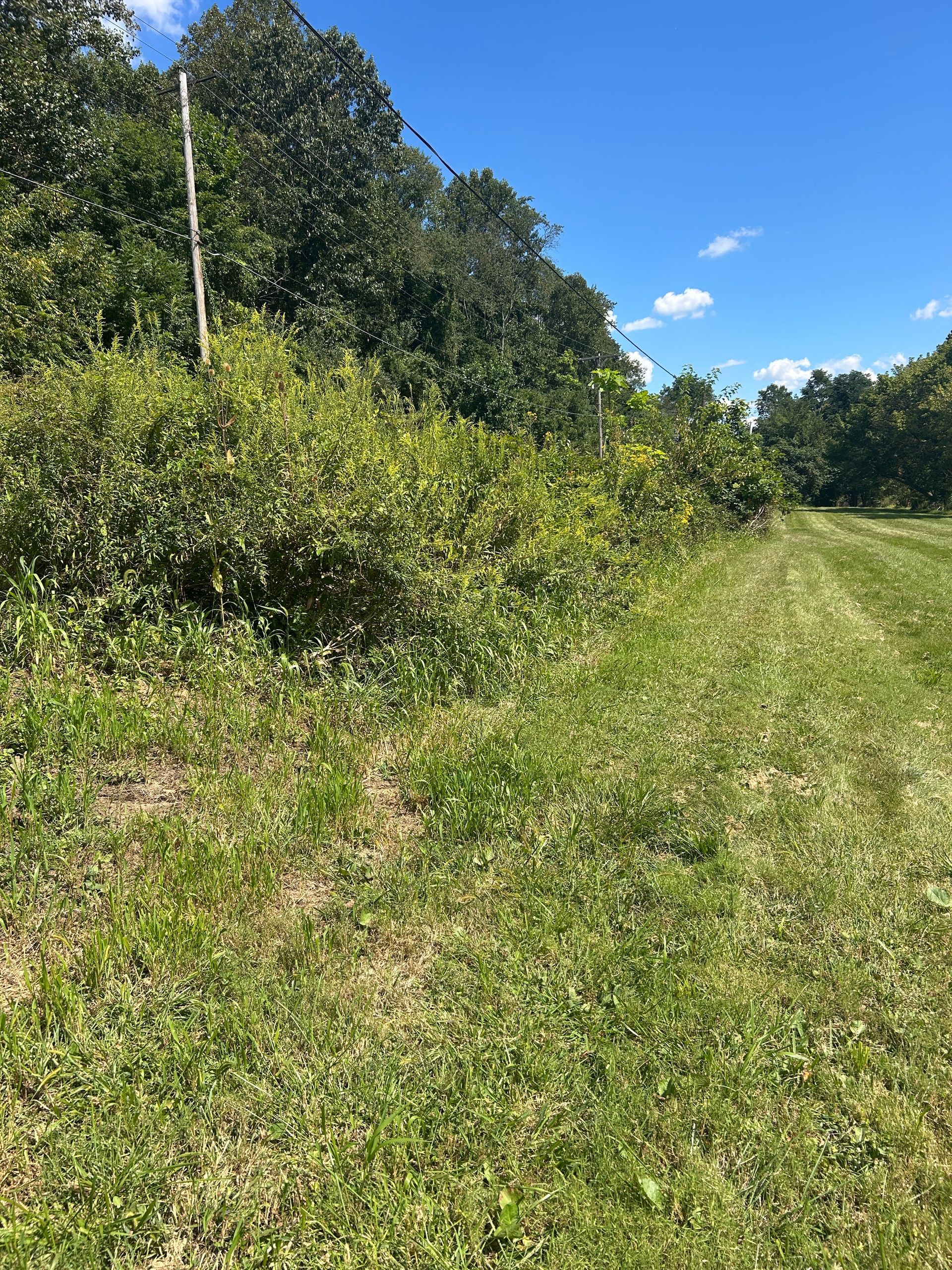
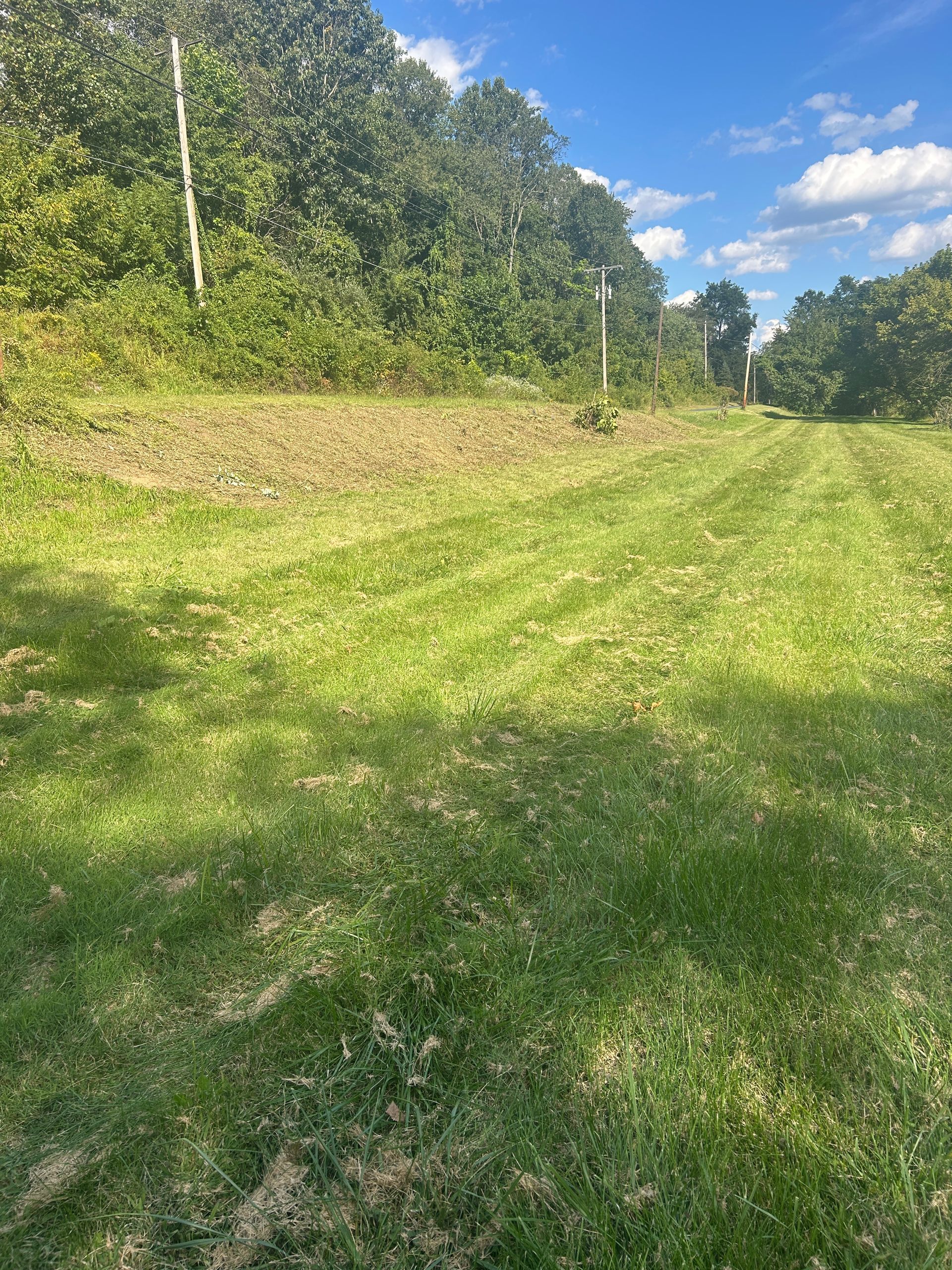
Brush Clearing
Remove overgrown vegetation and prepare land for use
Includes:
Brush cutting
Small tree removal
Stump grinding
Debris haul-away
Property Maintenance
Keep vacant lots, rental properties, and seasonal homes maintained
Includes:
Regular mowing
Weed control
Inspection reports
Storm cleanup
What We Can Do
Out With The Old
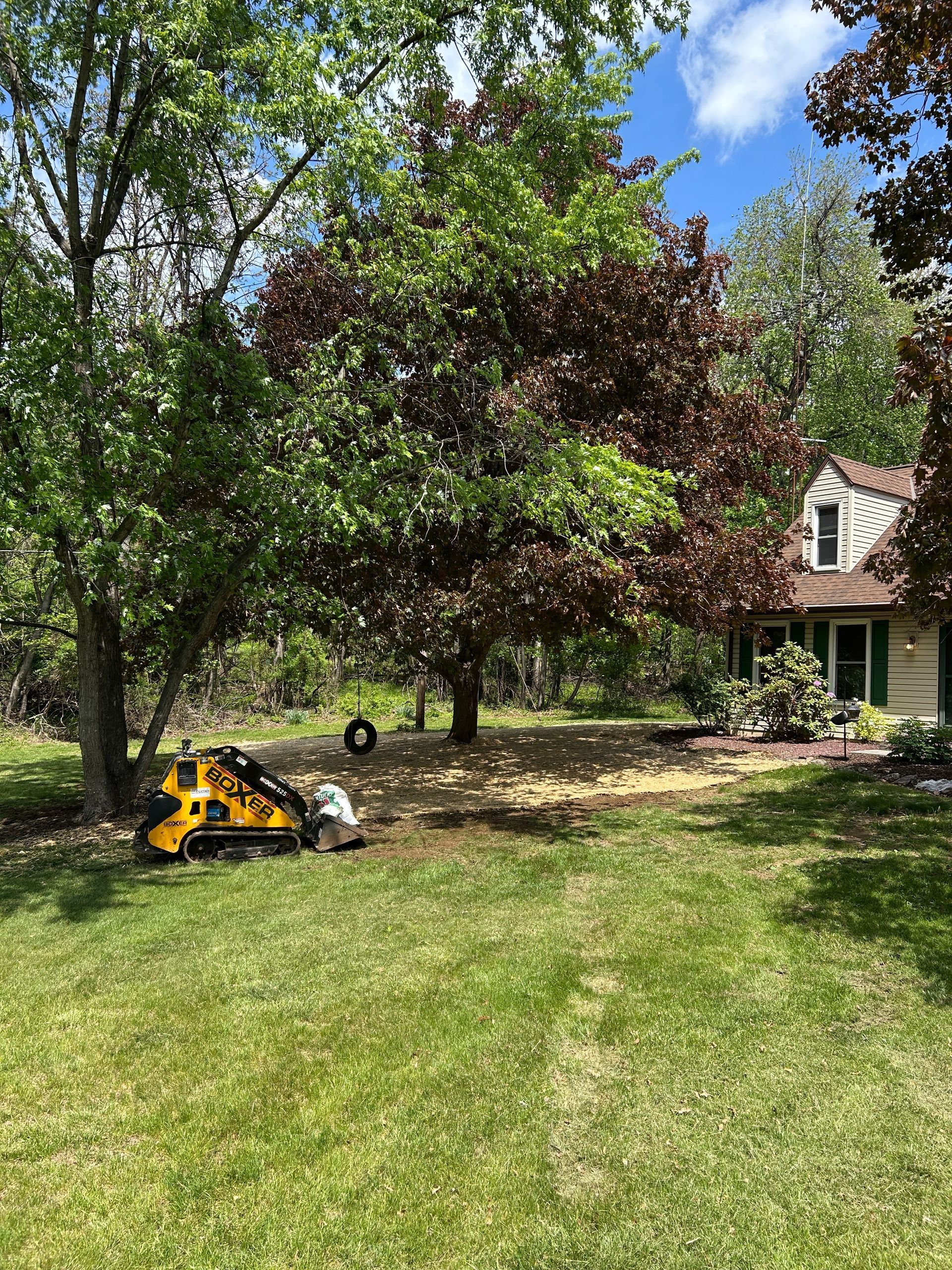
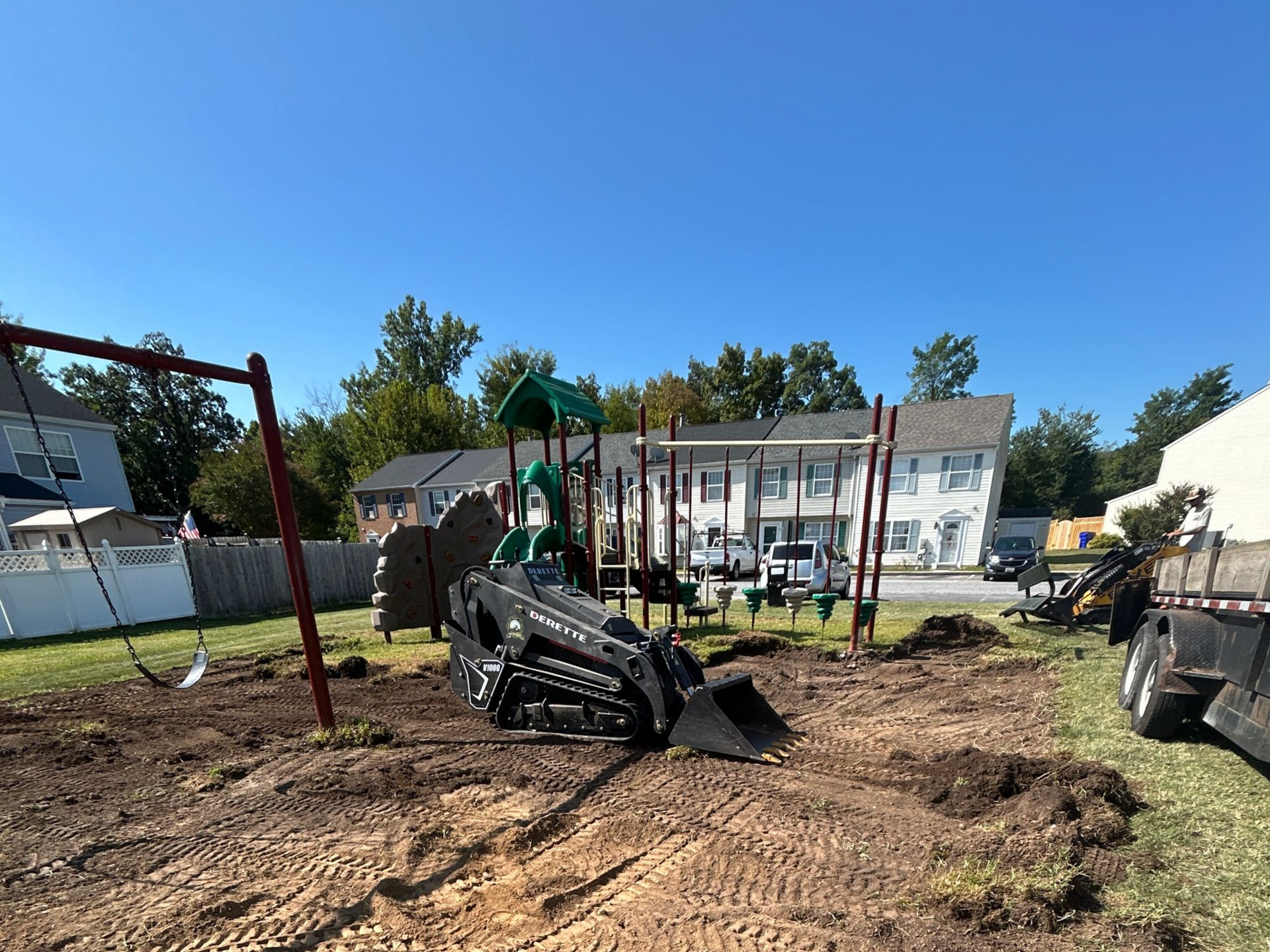
Lawn Installation
Complete lawn establishment from soil preparation to seeding or sodding
Includes:
Grading and leveling
Soil amendment
Seed or sod installation
Starter fertilizer
Grading & Drainage
Correct water flow issues and prevent pooling and erosion
Includes:
Site assessment
Grading to correct slope
French drain installation
Swale creation
New Lawn Installation Process
1
Site Assessment
We evaluate soil conditions, drainage, sun exposure, and existing vegetation. Soil testing determines if amendments are needed.
2
Clearing & Grading
Remove existing vegetation, rocks, and debris. Grade for proper drainage (minimum 2% slope away from structures). Rough grading creates the foundation.
3
Soil Preparation
Till or rototill to 6-8 inches deep. Add topsoil if needed. Incorporate compost and amendments based on soil test. Create ideal growing medium for grass.
4
Final Grading
Fine grading creates a smooth, level seedbed with no low spots or bumps. This step makes or breaks the final result—we don't rush it.
5
Seeding or Sodding
Seeding: Premium grass seed blend applied with starter fertilizer, then rolled for seed-to-soil contact. More affordable, takes longer to establish.
Sodding: Fresh sod installed immediately, watered thoroughly. Instant lawn, higher cost, requires consistent watering.
6
Establishment Care Instructions
We provide detailed watering schedules and care instructions. Your follow-through during the first 6 weeks determines success.
Education Corner
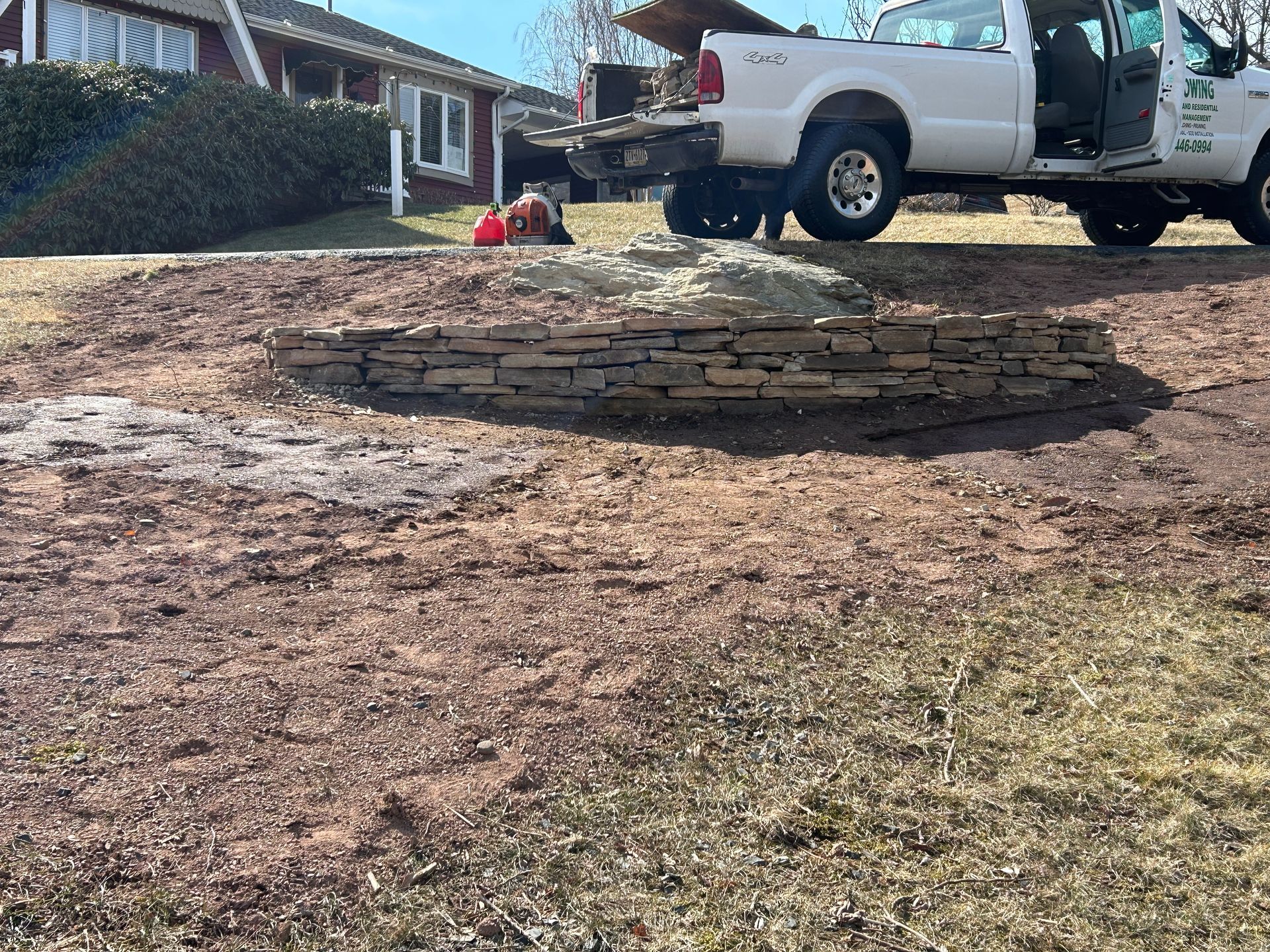
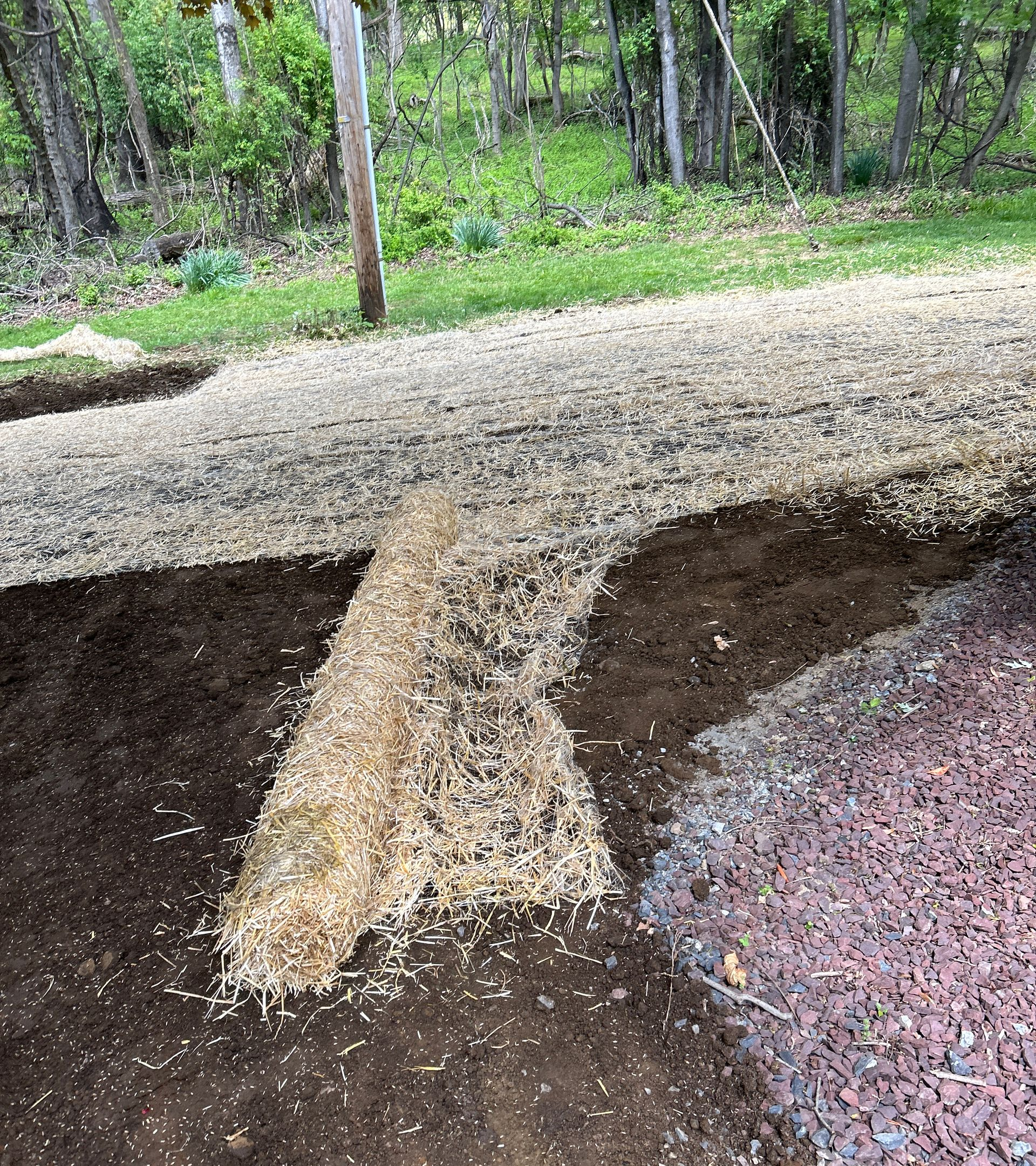
Why Grading Matters More Than You Think
Proper grading is the most important—and most overlooked—part of lawn installation and property work.
Prevents Water Damage
Water flowing toward your foundation causes basement flooding, cracking, and thousands in damage. Proper grading slopes AWAY from buildings (minimum 2% grade for 10 feet).
Eliminates Standing Water
Low spots and improper slope create puddles that drown grass, breed mosquitoes, and turn yards into mud pits. Good grading ensures water moves off your property efficiently.
Creates a Mowable Surface
Bumps, dips, and uneven terrain make mowing difficult and scalp grass in high spots. Smooth grading means easier maintenance and better-looking results.
Saves Money Long-Term
Fixing drainage and grading issues AFTER grass is established costs 3-5x more than doing it right the first time. It requires tearing up existing lawn and starting over.
Example:
If your desired lawn height is 3 inches, you should mow when the grass reaches about 4.5 inches. This removes only the top 1.5 inches, which is exactly 1/3 of the total blade length.
Common Project Types
New Construction Lawns
Builder-grade "lawns" are often compacted mud with minimal topsoil. We strip, amend, and install properly—creating a lawn that actually lasts.
Drainage Correction
Wet basements, pooling water, and soggy yards fixed with regrading, swales, and French drains. We follow the water and redirect it away.
Vacant Lot Maintenance
Keep investment properties or building lots mowed and maintained to avoid code violations and maintain neighborhood standards.
Property Clearing
Clear overgrown areas, remove invasive species, and reclaim usable space. Perfect for expanding yards or preparing land for development.
Why Choose J&K for Bigger Projects
Expertise
We own the equipment needed to do this work right—skid steers, grading boxes, compaction equipment. No renting, no learning curves.
Problem-Solving
Every property has unique challenges. We assess, plan, and adapt to find solutions that work for your specific situation and budget.
Communication
We explain what we're doing, why it matters, and what you can expect. No surprises, no disappearing—just straight answers and solid work.
Work Ethic
Firefighter values mean we don't quit when projects get tough. We finish what we start and do it to a standard we're proud of.